How much cholesterol is in cheese?
Most hard and semi-soft cheeses have about 20–30 mg of cholesterol per 1 oz (28 g) serving, according to USDA FoodData Central. That is 7–10% of the 300 mg Daily Value on nutrition labels. A slice of cheddar, for example, has about 28 mg, compared with 186 mg in one large egg and 161 mg in 3 oz of shrimp.
So per serving, cheese is a moderate source of cholesterol, not a high one. The bigger number is saturated fat: that same ounce of cheddar has about 5.3 g, roughly a quarter of what many adults are advised to stay under in a day.
Why it adds up: cheese rarely appears in 1 oz portions. A cheeseburger with two slices, a few slices of pizza, or a bowl of mac and cheese can easily hold 3–4 oz of cheese.
Cholesterol in cheese: a chart by type
Values are for 1 oz (28 g) unless noted, calculated from USDA FoodData Central (SR Legacy).
| Cheese | Cholesterol | % Daily Value | Saturated fat |
|---|---|---|---|
| Gouda | 32 mg | 11% | 5.0 g |
| Cream cheese | 29 mg | 10% | 5.7 g |
| Cheddar | 28 mg | 9% | 5.3 g |
| American (processed) | 28 mg | 9% | 5.1 g |
| Brie | 28 mg | 9% | 4.9 g |
| Muenster | 27 mg | 9% | 5.4 g |
| Swiss | 26 mg | 9% | 5.2 g |
| Feta | 25 mg | 8% | 3.8 g |
| Mozzarella, whole milk | 22 mg | 7% | 3.9 g |
| Blue cheese | 21 mg | 7% | 5.3 g |
| Provolone | 20 mg | 7% | 4.8 g |
| Parmesan, hard | 19 mg | 6% | 4.2 g |
| Mozzarella, part-skim | 18 mg | 6% | 2.9 g |
| Goat cheese, soft | 13 mg | 4% | 4.1 g |
| Ricotta, whole milk (½ cup) | 61 mg | 20% | 8.0 g |
| Ricotta, part-skim (½ cup) | 38 mg | 13% | 6.1 g |
| Cottage cheese, regular (4 oz) | 19 mg | 6% | 1.9 g |
| Cottage cheese, 1% (4 oz) | 5 mg | 2% | 0.7 g |
Ricotta and cottage cheese look different because they are usually eaten by the half cup, not the ounce. Per ounce, ricotta is one of the lower-cholesterol cheeses; a big scoop in lasagna is what adds up.
Low-cholesterol cheese options
If you are counting cholesterol or saturated fat, these are the easiest swaps:
| Instead of | Try | Cholesterol saved | Saturated fat saved |
|---|---|---|---|
| Cheddar, 1 oz | Reduced-fat cheddar | 6 mg | 1.7 g |
| Swiss, 1 oz | Low-fat Swiss | 16 mg | 4.2 g |
| Whole-milk mozzarella, 1 oz | Part-skim mozzarella | 4 mg | 1.0 g |
| Cream cheese, 1 oz | Low-fat cream cheese | 13 mg | 2.9 g |
| Whole-milk ricotta, ½ cup | Part-skim ricotta | 22 mg | 1.9 g |
| Regular cottage cheese, 4 oz | 1% cottage cheese | 15 mg | 1.2 g |
Strong-flavored cheese goes further
A tablespoon of grated Parmesan has only about 4 mg of cholesterol. Sharp, aged cheeses such as Parmesan, aged cheddar, feta, and blue cheese add a lot of flavor in small amounts, so you can use less than you would of a mild cheese.
What about vegan cheese?
Plant-based cheese has no cholesterol, because cholesterol is found only in animal foods. Many versions are made with coconut oil, though, which is high in saturated fat. Check the label before assuming it is the better choice.
Is cheese bad for cholesterol?
The research is more mixed than you might expect. Cheese is high in saturated fat, which generally raises LDL cholesterol. Yet in controlled trials, cheese has raised LDL less than butter with a similar fat content.
A 2015 meta-analysis in Nutrition Reviews pooled trials that compared hard cheese with butter. Cheese lowered LDL cholesterol relative to butter, even though the two had similar fat profiles. The authors suggested calcium or the structure of cheese might explain it, but said more research is needed.
That does not make cheese a heart-health food. It does suggest two practical things:
- Portion size matters most. An ounce on a salad is very different from a quarter pound on a pizza.
- The rest of the dish matters too. Cheese often comes with processed meat, refined bread, and cream sauces.
Current US guidance does not single out cheese. The 2025–2030 Dietary Guidelines set no numeric limit on dietary cholesterol and focus on keeping saturated fat under 10% of daily calories. If your clinician has given you a saturated fat or cholesterol target, count cheese toward it like any other food. Our guide to how much cholesterol per day explains the common targets.
Cheese compared with other dairy
Cheese is in the middle of the dairy range for cholesterol:
| Dairy food | Serving | Cholesterol | Saturated fat |
|---|---|---|---|
| Butter | 1 tbsp | 31 mg | 7.3 g |
| Cheddar | 1 oz | 28 mg | 5.3 g |
| Whole milk | 1 cup | 24 mg | 4.6 g |
| Part-skim mozzarella | 1 oz | 18 mg | 2.9 g |
| 1% cottage cheese | 4 oz | 5 mg | 0.7 g |
For the bigger picture, our USDA chart of high-cholesterol foods shows how dairy compares with eggs, shellfish, and meat.
Track the cheese you actually eat
Cheese is one of the hardest foods to log accurately, because it is usually an ingredient rather than a food on its own. Logging it a few times shows how much is in your usual sandwich, salad, or pasta.
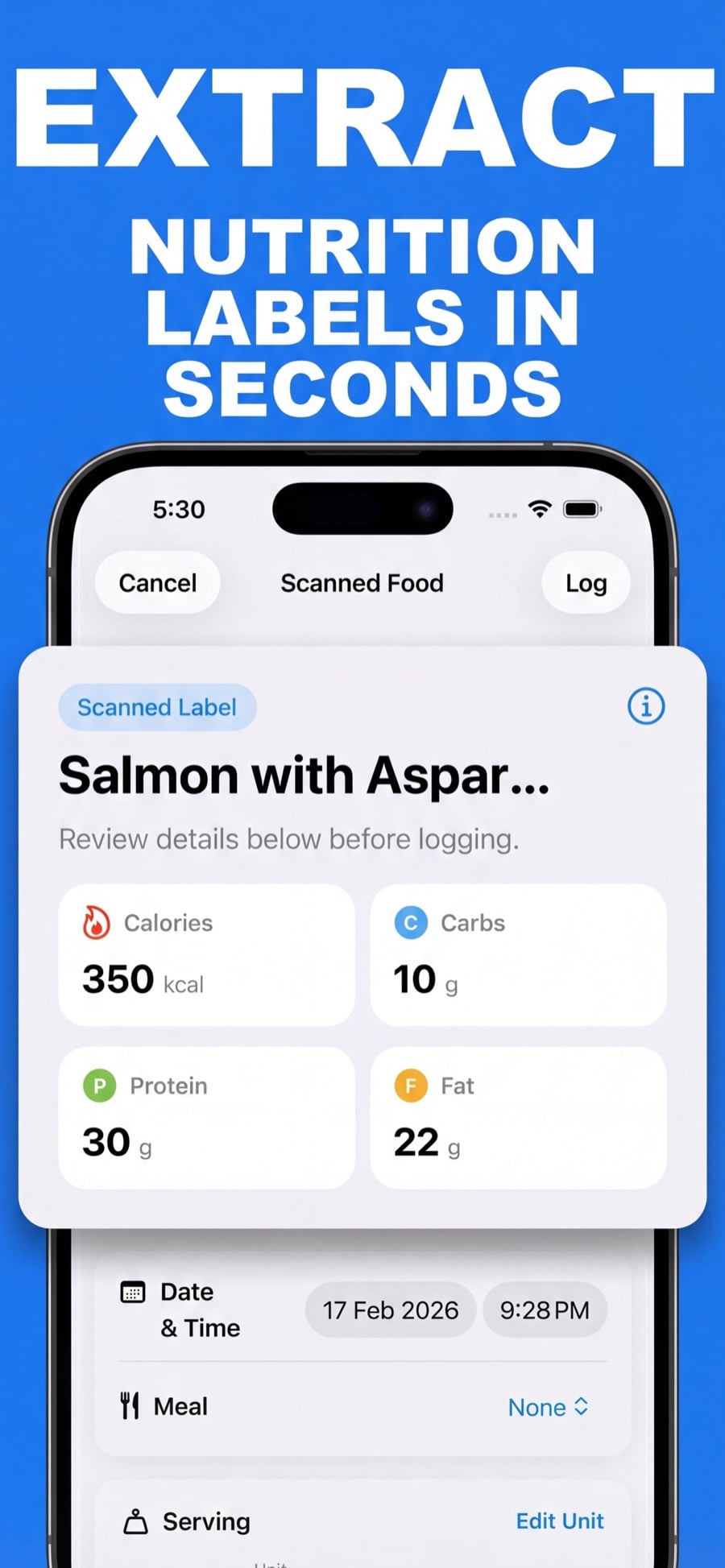
In Cholesterol Tracker, search the cheese and set the amount, or scan the nutrition label on the package to read the cholesterol directly. For a slice of pizza or a restaurant dish, a photo scan gives a quick estimate. The help guide covers each logging method, and our cholesterol app comparison covers the alternatives.
Frequently asked questions
Which cheese has the least cholesterol?
Low-fat cottage cheese is among the lowest, with about 5 mg in 4 oz of 1% cottage cheese. Fat-free cheddar, fat-free cream cheese, and low-fat Swiss are also low. Among regular cheeses, soft goat cheese has about 13 mg per ounce and part-skim mozzarella about 18 mg, according to USDA FoodData Central.
Which cheese has the most cholesterol?
Per ounce, Gouda is among the highest common cheeses, at about 32 mg. Cream cheese, cheddar, American, and Brie each have about 28–29 mg. Per typical serving, whole-milk ricotta can be higher, with about 61 mg in half a cup.
Can you eat cheese if you have high cholesterol?
Many people can, in measured portions. Cheese is moderate in dietary cholesterol but high in saturated fat, so choosing part-skim or reduced-fat versions and keeping portions small helps. Trials have found cheese raises LDL less than butter with similar fat. Ask your clinician about your own targets.
Is cottage cheese high in cholesterol?
No. A 4 oz serving of regular cottage cheese has about 19 mg of cholesterol, and 1% low-fat cottage cheese about 5 mg, based on USDA FoodData Central. It is also high in protein and much lower in saturated fat than most other cheeses.
Sources
- USDA FoodData Central: cheese, butter, and milk entries (SR Legacy)
- de Goede J et al. Effect of cheese consumption on blood lipids: a systematic review and meta-analysis of randomized controlled trials. Nutr Rev, 2015
- Carson JAS et al. Dietary Cholesterol and Cardiovascular Risk: A Science Advisory From the AHA. Circulation, 2019
- Dietary Guidelines for Americans, 2025–2030
Not medical advice. This article explains dietary cholesterol in food. It does not diagnose or treat any condition. Ask a qualified healthcare professional about your blood cholesterol and personal targets.