How much cholesterol is in butter?
One tablespoon (14 g) of butter has about 31 mg of cholesterol and 7.3 g of saturated fat, according to USDA FoodData Central. That is 10% of the 300 mg cholesterol Daily Value, but more than a third of the 20 g saturated fat limit on a 2,000-calorie diet.
| Butter | Serving | Cholesterol | % Daily Value | Saturated fat |
|---|---|---|---|---|
| Butter, salted or unsalted | 1 pat (5 g) | 11 mg | 4% | 2.6 g |
| Butter, salted or unsalted | 1 tbsp (14 g) | 31 mg | 10% | 7.3 g |
| Whipped butter | 1 tbsp (9 g) | 21 mg | 7% | 4.3 g |
| Light butter | 1 tbsp (14 g) | 15 mg | 5% | 4.8 g |
| Ghee (butter oil) | 1 tbsp (13 g) | 33 mg | 11% | 7.9 g |
| Butter, 1 stick | ½ cup (113 g) | 243 mg | 81% | 58 g |
Whipped butter has less per tablespoon only because air takes up some of the spoon. Ghee is butter with the water and milk solids removed, so it is slightly higher in both cholesterol and saturated fat per tablespoon.
Is butter high in cholesterol?
Per serving, not especially. A tablespoon of butter has about the same cholesterol as an ounce of cheddar (28 mg) and less than half as much as a 3 oz chicken breast (72 mg). Per 100 g, butter has 215 mg, which looks high, but few people eat 100 g of butter at once.
Butter's problem is saturated fat. About 63% of its fat is saturated, more than in lard or beef tallow. For most people, saturated fat raises LDL cholesterol more than the cholesterol in food does. That is why butter appears on lists of foods to limit even though its cholesterol count is modest. Our full list of high-cholesterol foods shows the same pattern for cheese and cream.
What the research shows
A randomized crossover trial published in the American Journal of Clinical Nutrition in 2015 had 47 healthy adults replace part of their usual diet with butter or refined olive oil, each supplying 4.5% of calories, for five weeks at a time.
- Butter raised total and LDL cholesterol more than olive oil did, and more than the participants' usual diet.
- Butter also raised HDL cholesterol compared with the usual diet.
- Triglycerides, blood sugar, and an inflammation marker did not differ between the diets.
The authors concluded that people with high cholesterol should keep butter to a minimum, while moderate amounts may fit the diet of people with normal cholesterol.
Butter vs margarine, oils, and other fats
Plant fats contain no cholesterol at all. Animal fats do. Saturated fat varies widely in both groups:
| Fat, 1 tbsp | Cholesterol | Saturated fat | Calories |
|---|---|---|---|
| Ghee (butter oil) | 33 mg | 7.9 g | 112 |
| Butter | 31 mg | 7.3 g | 102 |
| Beef tallow | 14 mg | 6.4 g | 115 |
| Lard | 12 mg | 5.0 g | 115 |
| Coconut oil | 0 mg | 11.2 g | 121 |
| Margarine, 80% fat, stick | 0 mg | 2.1 g | 100 |
| Olive oil | 0 mg | 1.9 g | 119 |
| Canola oil | 0 mg | 1.0 g | 124 |
Coconut oil has no cholesterol but more saturated fat than butter, so "cholesterol-free" on a label does not mean it is easy on LDL. Olive and canola oil are low in both, which is why the American Heart Association's 2019 advisory lists liquid vegetable oils in its recommended eating patterns.
Margarine and spreads vary by brand. Check the label for saturated and trans fat, and look for soft tub spreads that list a liquid oil first.
Is peanut butter bad for cholesterol?
Peanut butter has no cholesterol, because it is made from a plant. Two tablespoons (32 g) of smooth peanut butter have 0 mg of cholesterol, about 3.3 g of saturated fat, and 191 calories. About 80% of its fat is unsaturated.
That makes it a very different food from dairy butter despite the name. Two tablespoons of peanut butter have less saturated fat than half a tablespoon of butter. The things to watch are calories, because portions grow quickly, and added sugar or hydrogenated oils in some brands. A peanut butter with just peanuts and salt in the ingredient list is the simplest choice.
How to use less butter
The 2025–2030 Dietary Guidelines for Americans set no numeric limit on dietary cholesterol and keep saturated fat under 10% of daily calories. Butter fits within that, but it adds up fast in cooking and baking. A few easy swaps:
- Sauté in olive or canola oil instead of butter. You save about 31 mg of cholesterol per tablespoon, plus 5.4 g of saturated fat with olive oil or 6.3 g with canola.
- Measure instead of pouring. A "knob" of butter in a pan is often two tablespoons or more.
- Use a pat, not a tablespoon, on toast. A 5 g pat has a third of the cholesterol and saturated fat.
- Finish dishes with butter rather than cooking in it. A small amount at the end gives more flavor per gram.
- Watch hidden butter in pastries, sauces, and restaurant vegetables and fish. A butter sauce on shrimp scampi can add more saturated fat than the shrimp has in a pound.
Not medical advice. If you have high LDL cholesterol, ask your clinician how much saturated fat you should aim for. Some people are given a lower target than the general 10% guideline.
Track butter in your daily cholesterol
Butter is the food people most often forget to log, because it goes into cooking rather than onto the plate. Logging cooking fats as their own entries shows how much of your saturated fat they supply.
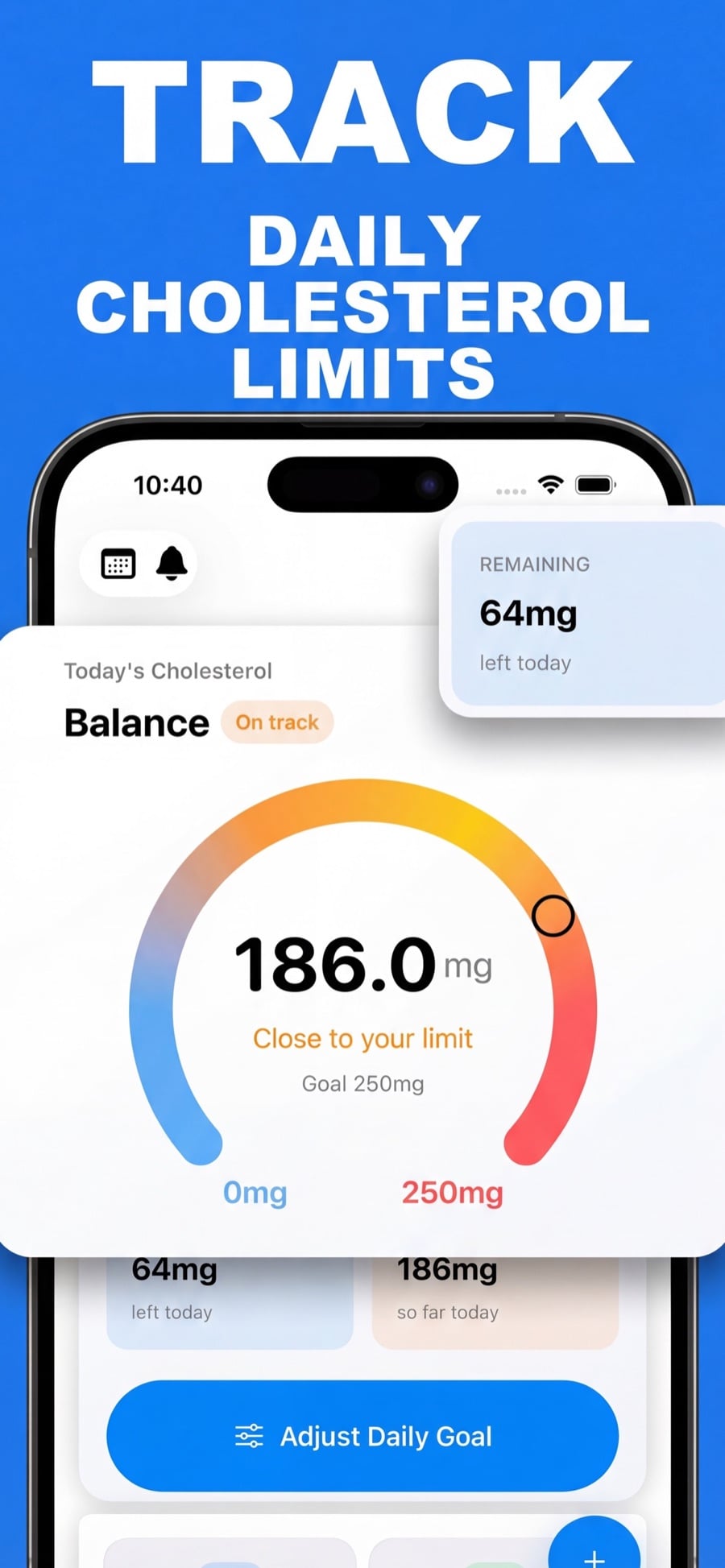
In Cholesterol Tracker, search "butter, salted" and set tablespoons or grams. For spreads and margarine, scan the nutrition label. If your clinician gave you a daily limit, our daily cholesterol intake guide explains the common 200 mg and 300 mg targets, and the help page shows how to set one in the app.
Frequently asked questions
How much cholesterol is in a tablespoon of butter?
About 31 mg, based on USDA FoodData Central's 215 mg per 100 g and a 14.2 g tablespoon. The same tablespoon has about 7.3 g of saturated fat and 102 calories.
Is ghee better than butter for cholesterol?
No. Ghee is butter with the water and milk solids removed, so it is slightly more concentrated. A tablespoon of ghee (butter oil) has about 33 mg of cholesterol and 7.9 g of saturated fat, against 31 mg and 7.3 g for butter.
Is margarine better than butter for cholesterol?
Margarine made from vegetable oil has no cholesterol and much less saturated fat: about 2.1 g per tablespoon for an 80% fat stick, against 7.3 g in butter. Products vary, so check the label for saturated and trans fat, and prefer soft spreads made with liquid oils.
Does peanut butter have cholesterol?
No. Peanut butter is a plant food and has 0 mg of cholesterol. Two tablespoons have about 3.3 g of saturated fat and 191 calories, and most of its fat is unsaturated.
Sources
- USDA FoodData Central: Butter, salted (SR Legacy, FDC ID 173410), butter oil, margarine, oils, and peanut butter entries
- Engel S, Tholstrup T. Butter increased total and LDL cholesterol compared with olive oil but resulted in higher HDL cholesterol compared with a habitual diet. Am J Clin Nutr, 2015
- Carson JAS et al. Dietary Cholesterol and Cardiovascular Risk: A Science Advisory From the AHA. Circulation, 2020
- Dietary Guidelines for Americans, 2025–2030
Not medical advice. This article explains dietary cholesterol in food. It does not diagnose or treat any condition. Ask a qualified healthcare professional about your blood cholesterol and personal targets.