How much cholesterol is in an egg?
A large chicken egg contains about 186 mg of cholesterol, according to USDA FoodData Central. That is 62% of the 300 mg Daily Value on nutrition labels. All of it is in the yolk; the white has none.
Because the yolk grows with the egg, cholesterol rises with egg size:
| Egg | Weight (no shell) | Cholesterol |
|---|---|---|
| Medium egg | 44 g | 164 mg |
| Large egg | 50 g | 186 mg |
| Extra-large egg | 56 g | 208 mg |
| Jumbo egg | 63 g | 234 mg |
| Yolk from a large egg | 17 g | 184 mg |
| White from a large egg | 33 g | 0 mg |
| Duck egg | 70 g | 619 mg |
You may see slightly different numbers elsewhere, often 200–215 mg for a large egg. Those come from older measurements. When the USDA re-tested eggs from across the US in 2011, it found about 185 mg per large egg, roughly 14% less than the earlier figure.
Are eggs high in cholesterol compared with other foods?
Yes. Eggs are one of the most concentrated sources of cholesterol people eat regularly. One large egg has more cholesterol than a 3 oz serving of shrimp (161 mg) and about two and a half times as much as a 3 oz chicken breast (72 mg). Only organ meats such as liver contain much more per serving.
Eggs also count in foods you might not think of: baked goods, custards, mayonnaise, egg pasta, and breaded or battered foods. Our chart of foods high in cholesterol shows where eggs rank against meat, seafood, and dairy.
For scale: a two-egg breakfast with large eggs has about 372 mg of cholesterol, which is above the 300 mg Daily Value before lunch.
Do eggs raise blood cholesterol?
For most people, less than the cholesterol count suggests. The American Heart Association's 2019 science advisory on dietary cholesterol found that studies across several countries generally show no significant link between dietary cholesterol and heart disease risk. Clinical trials do show that eating much more cholesterol than average tends to raise LDL cholesterol, and some people respond far more than others.
Two things make eggs different from many other high-cholesterol foods:
- They are low in saturated fat. A large egg has about 1.6 g, compared with about 7.3 g in a tablespoon of butter. Saturated fat generally raises LDL cholesterol more than dietary cholesterol does.
- What comes with them matters. The advisory notes that eggs are often eaten with bacon, sausage, butter, and refined bread. Those sides can affect your cholesterol more than the eggs themselves.
How many eggs a day is OK?
There is no single number for everyone. The AHA advisory gives this general guidance for eggs within a heart-healthy eating pattern:
| Who | General guidance |
|---|---|
| Healthy adults | Up to one whole egg a day |
| Older adults with normal cholesterol | Up to two eggs a day |
| Vegetarians who eat no meat | May include more eggs and dairy, in moderation |
| People with high LDL, diabetes, or heart failure risk | Be cautious with cholesterol-rich foods and ask a clinician |
The 2025–2030 Dietary Guidelines for Americans list eggs among recommended protein foods and do not set a limit on eggs or dietary cholesterol. If your doctor has given you a daily cholesterol target, count eggs toward it like any other food. Our guide to how much cholesterol per day explains the targets you are likely to hear.
How to eat eggs with less cholesterol
- Mix whites and whole eggs. One whole egg plus two whites has about 186 mg instead of 558 mg for three whole eggs.
- Use whites or a liquid egg-white product in omelets and baking when the yolk is not needed.
- Cook with olive or canola oil rather than butter to keep saturated fat down.
- Swap the sides. Pair eggs with vegetables, beans, or whole-grain toast instead of bacon or sausage.
- Count the hidden eggs in baked goods, sauces, and fresh pasta on days you have already had eggs.
What else is in an egg
Cholesterol is only part of the picture. According to USDA data, a large egg has about 72 calories and 6 g of high-quality protein. It is also one of the richest common sources of choline, a nutrient most Americans don't get enough of. Eggs also supply vitamin D, vitamin B12, and selenium.
That is why most current guidance treats eggs as something to fit into your day, not a food to cut out entirely. The useful question is how your eggs, and everything else you eat, add up.
Track eggs without the guesswork
Eggs are easy to undercount because they hide in so many foods. Logging them as you eat shows how often they appear in your week and how much of your daily cholesterol they supply.
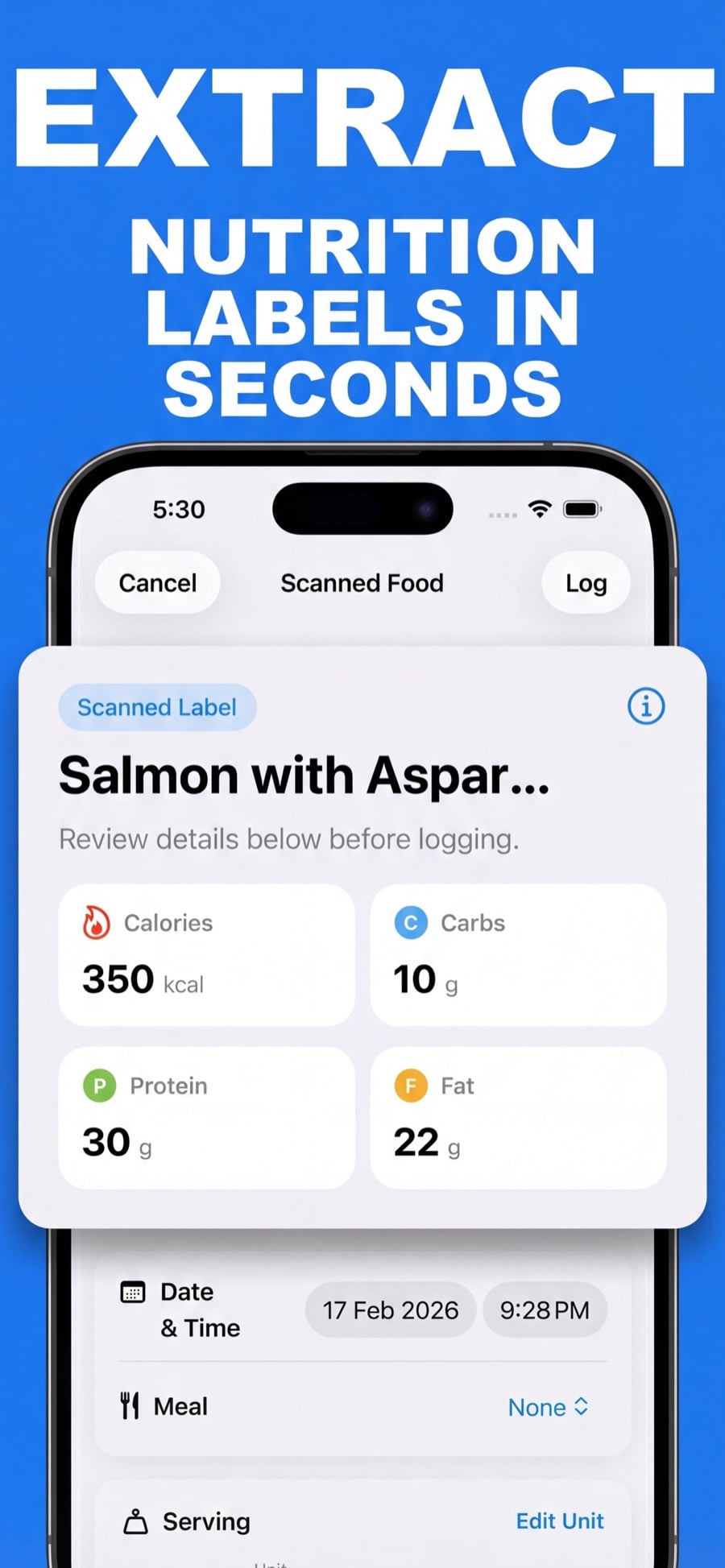
In Cholesterol Tracker, search "large egg" and set the quantity, or use Quick Log to enter a known mg amount. For packaged foods such as egg salad or baked goods, scan the nutrition label to pull the cholesterol in directly.
Frequently asked questions
How much cholesterol is in 2 eggs?
Two large eggs contain about 372 mg of cholesterol, based on USDA FoodData Central's value of about 186 mg per large egg. That is more than the 300 mg Daily Value used on US nutrition labels.
Are egg whites high in cholesterol?
No. Egg whites contain no cholesterol. All of an egg's cholesterol is in the yolk. Egg whites are mostly protein and water, which is why whites-only omelets and liquid egg-white products are common in low-cholesterol eating plans.
Is it OK to eat eggs every day?
For many healthy adults, yes. The American Heart Association's 2019 advisory says healthy people can include up to one whole egg a day in a heart-healthy diet, and older adults with normal cholesterol up to two. People with high LDL cholesterol, diabetes, or heart disease should ask their clinician.
Are brown eggs lower in cholesterol than white eggs?
No. Shell color depends on the breed of hen, not on nutrition. Brown and white eggs of the same size have essentially the same cholesterol. Egg size makes a much bigger difference: a jumbo egg has roughly 70 mg more than a medium one.
Sources
- USDA FoodData Central: Egg, whole, raw, fresh (SR Legacy, FDC ID 171287)
- Carson JAS et al. Dietary Cholesterol and Cardiovascular Risk: A Science Advisory From the AHA. Circulation, 2019
- AHA professional commentary on the dietary cholesterol advisory
- Poultry World: USDA research finds lower cholesterol in eggs (2011)
- Dietary Guidelines for Americans, 2025–2030
Not medical advice. This article explains dietary cholesterol in food. It does not diagnose or treat any condition. Ask a qualified healthcare professional about your blood cholesterol and personal targets.